
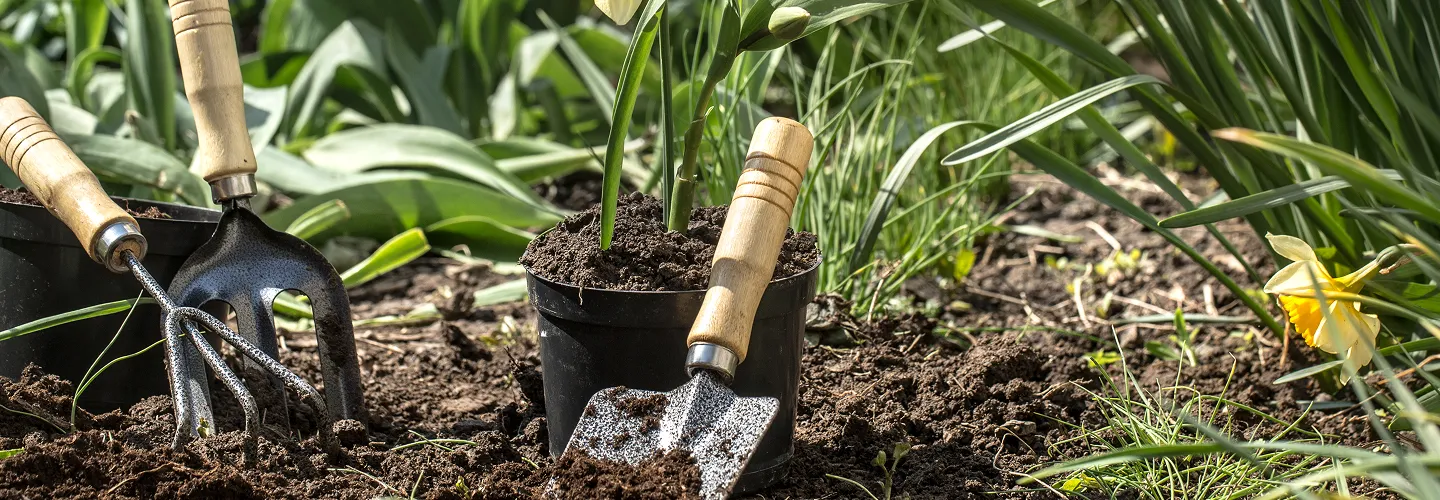
Dripping Springs Flower Planting Services
Choose our flower planting services for vibrant, expertly arranged blooms that thrive in Dripping Springs’ unique climate—bringing lasting beauty and curb appeal to your home or business.
Get a Free QuoteOur Dripping Springs Landscaping & Yard Care Services
When to Schedule Flower Planting in Dripping Springs, Texas – Seasonal Guide
Flower planting in Dripping Springs is best scheduled with careful attention to the Hill Country’s unique climate and landscape. The optimal planting windows are typically early spring (late February to early April) and early fall (late September to mid-October), when temperatures are moderate and rainfall is more predictable. These periods allow new plantings to establish strong roots before the intense summer heat or occasional winter frosts. Neighborhoods like Belterra and Caliterra, with their mix of sun and shade, benefit from tailored planting schedules that account for microclimates and soil conditions.
Local environmental factors play a significant role in determining the best time for flower planting. The area’s rocky, alkaline soils, variable humidity, and risk of late spring frosts—especially in shaded lots near Onion Creek or the Dripping Springs Ranch Park—require thoughtful plant selection and timing. Homeowners should also consider municipal watering restrictions and drought risk, which can impact both planting success and ongoing maintenance. For more information on local guidelines and resources, visit the official city website.
Local Factors to Consider for Flower Planting in Dripping Springs
- Tree density and shade coverage in neighborhoods like Headwaters
- Soil type and drainage, especially in rocky or sloped areas
- Average precipitation and risk of drought
- Frost dates and temperature swings in spring and fall
- Municipal watering restrictions and conservation guidelines
- Terrain variations, such as hillsides or creekside lots
Benefits of Flower Planting in Dripping Springs
Expert Local Knowledge
Customized Landscape Designs
Sustainable Plant Selection
Enhanced Curb Appeal
Professional Installation Services
Ongoing Maintenance Support
Dripping Springs Flower Planting Types

Perennial Flower Beds
Perennial flower beds provide long-lasting color and require less replanting year after year.
-
Annual Flower Displays
Annual flower displays offer vibrant seasonal color and can be changed each year for variety.
-
Native Texas Wildflowers
Native Texas wildflowers thrive in local conditions and support pollinators in your landscape.
-
Shade Garden Plantings
Shade garden plantings are ideal for areas with limited sunlight, adding beauty to every corner.
-
Drought-Tolerant Flower Gardens
Drought-tolerant flower gardens conserve water while maintaining a colorful landscape.
-
Butterfly and Pollinator Gardens
Butterfly and pollinator gardens attract beneficial insects and enhance biodiversity.
-
Container Flower Arrangements
Container flower arrangements add flexibility and style to patios, decks, and entryways.
Our Flower Planting Process
Site Evaluation
Soil Preparation
Plant Selection
Careful Planting
Watering and Mulching
Why Choose Dripping Springs Landscape Services
Dripping Springs Homeowners Trust Us
-
Expert Lawn Maintenance
-
Reliable Irrigation Solutions
-
Comprehensive Tree Care
-
Competitive Pricing
-
Professional Team
-
Satisfaction Guarantee
-
Personalized Service
Soil Series and Drainage Considerations for Flower Planting in Dripping Springs
Flower planting in Dripping Springs requires careful attention to local soil conditions, which are predominantly characterized by Houston Black clay and Brackett gravelly clay loam, as identified by the USDA Web Soil Survey. These soils are expansive, with pH levels typically ranging from 7.2 to 8.0, and often exhibit slow drainage and compaction issues. For optimal flower establishment, it is recommended to incorporate 2-3 inches of compost tilled to a 6-inch depth and to conduct a soil test through Texas A&M AgriLife Extension (typical cost: $15-25). Key soil amendment steps include:
- Lime application only if pH is below 6.0 (rare in Dripping Springs)
- Sulfur application for pH above 7.5
- Regular organic matter incorporation
Coordination with municipal guidelines is essential for any soil disturbance or amendment.
Dripping Springs TX Public Works Department
511 Mercer Street, Dripping Springs, TX 78620
Phone: (512) 858-7897
Official Website: Dripping Springs TX Public Works Department
Seasonal Timing and Climate Zone Guidance for Dripping Springs Flower Planting
Dripping Springs is located in USDA Hardiness Zone 8b, with average annual minimum temperatures of 15-20°F. The optimal planting windows for most perennial and annual flowers are March 1–April 15 for spring and September 15–October 31 for fall installations. Soil temperatures should be consistently above 50°F for spring planting. The National Weather Service Austin/San Antonio Office provides up-to-date soil and air temperature data for precise scheduling. Key timing recommendations include:
- Spring planting: March 1–April 15 (soil temp 50–65°F)
- Fall planting: September 15–October 31 (before first frost)
- Avoid planting June–August due to heat stress
Monitoring local forecasts and soil conditions is critical for successful establishment and compliance with city irrigation restrictions.
Dripping Springs Landscape Ordinance and Municipal Planting Standards
All flower planting projects in Dripping Springs must comply with the Dripping Springs Landscape Ordinance, which outlines requirements for plant selection, buffer zones, and irrigation. The ordinance mandates:
- Minimum 25-foot buffer from wetlands and streams
- Use of drought-tolerant or native species for at least 50% of new plantings
- Prohibition of fertilizer and pesticide application within 50 feet of water bodies
- Mulch application of 2–3 inches to reduce runoff
Permit review for landscape projects typically requires 5–10 business days, with an application fee of $50–$75. All plans must be submitted to the Planning & Development Department for approval.
Dripping Springs TX Planning & Development Department
511 Mercer Street, Dripping Springs, TX 78620
Phone: (512) 858-4725
Official Website: Dripping Springs TX Planning & Development Department
Environmental Compliance: Stormwater, Buffer Zones, and State Regulations
Flower planting activities in Dripping Springs must adhere to both local and state environmental regulations, including the Texas Water Code and Clean Water Act requirements. The city operates under an MS4 permit, prohibiting soil, mulch, or plant debris from entering storm drains. Key compliance steps include:
- Maintain a 25-foot no-disturbance buffer from wetlands
- Use biodegradable mulch and avoid plastic sheeting
- Schedule planting to avoid heavy rainfall events
- Dispose of plant debris through municipal green waste collection (Thursdays, April–November)
For further guidance, consult the Texas Commission on Environmental Quality and EPA Region 6.
Species Selection and Native Plant Recommendations for Dripping Springs
Selecting appropriate species is critical for sustainable flower planting in Dripping Springs’s climate and soil. The city encourages the use of native and drought-tolerant species, which are better adapted to local conditions and require less irrigation. Recommended species include:
- Full sun: Black-eyed Susan (Rudbeckia hirta), Purple coneflower (Echinacea purpurea), Autumn sage (Salvia greggii)
- Partial shade: Turk’s cap (Malvaviscus arboreus), Heartleaf skullcap (Scutellaria ovata)
- Deer resistant: Russian sage (Perovskia atriplicifolia), Mealy blue sage (Salvia farinacea)
- Native options: Winecup (Callirhoe involucrata), Indian blanket (Gaillardia pulchella)
Spacing should be 12–18 inches for annuals and 18–24 inches for perennials. For additional guidance, refer to Texas A&M AgriLife Extension.
What Neighborhoods Do We Serve Throughout Dripping Springs, TX?
- Historic Mercer District: Features older properties with compacted soils and mature shade trees, requiring careful species selection and soil amendment for successful flower planting.
- Caliterra: Newer development with engineered soils and modern irrigation systems, but often faces rapid drainage and sun exposure challenges.
- Founders Ridge: Characterized by sloped lots and proximity to Onion Creek, necessitating erosion control measures and compliance with buffer zone regulations.
- Dripping Springs Ranch: Large lots with native grasslands and rocky soils, where native wildflowers and drought-tolerant species are most effective.
- Sunset Canyon: Noted for limestone outcrops and shallow soils, requiring raised beds or significant soil amendment for flower establishment.
- Belterra: Planned community with HOA landscaping standards, including approved plant lists and irrigation timing restrictions.
- West Cave Estates: Rural area with limited municipal water access, emphasizing the need for xeric plantings and efficient mulching practices.