
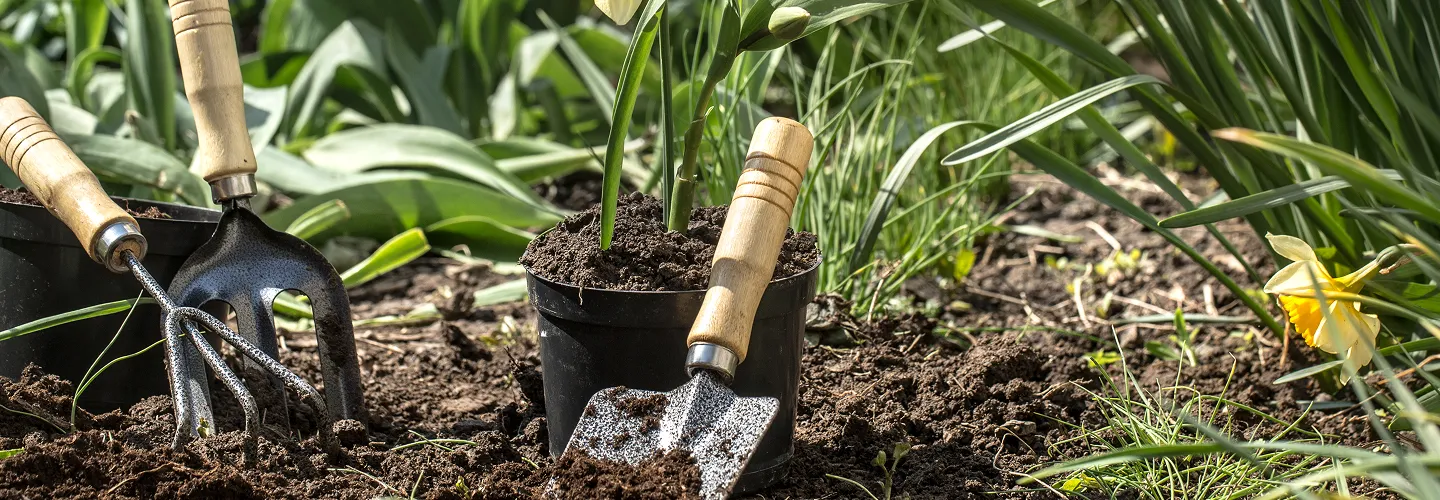
Dripping Springs Fertilizing Lawn Services
Choose our expert fertilizing lawn services for lush, healthy grass that thrives year-round—because your lawn deserves the best care and attention from local professionals who understand Dripping Springs soil and climate.
Get a Free QuoteOur Dripping Springs Landscaping & Yard Care Services
When to Schedule Fertilizing Lawn in Dripping Springs, Texas – Seasonal Guide
Fertilizing your lawn in Dripping Springs requires careful timing to ensure lush, healthy grass throughout the year. The region’s unique Hill Country climate—with its hot summers, mild winters, and variable rainfall—means that the best times to fertilize are typically in early spring and again in early fall. These periods allow your lawn to absorb nutrients before the intense summer heat or cooler winter temperatures set in. Neighborhoods near Founders Memorial Park and along Creek Road often experience microclimates, so it’s important to consider your specific location when planning your fertilization schedule.
Local environmental factors such as late spring frost dates, periods of drought, and the prevalence of rocky, alkaline soils can all impact the effectiveness of your fertilization efforts. Properties with dense oak or cedar coverage, like those in the Caliterra and Rim Rock communities, may require different timing or fertilizer blends. For more information on local soil and climate considerations, visit the Sudbury municipal resource.
Local Factors to Consider for Fertilizing Lawn in Dripping Springs
- Tree density and shade coverage, especially from live oaks and cedars
- Terrain and soil type, including rocky or alkaline soils
- Seasonal precipitation patterns and drought risk
- Proximity to creeks or low-lying areas prone to runoff
- Municipal watering restrictions and local ordinances
Benefits of Fertilizing Lawn in Dripping Springs
Enhanced Grass Growth
Improved Lawn Color
Weed Resistance
Stronger Root Systems
Increased Drought Tolerance
Healthier Soil Structure
Dripping Springs Fertilizing Lawn Types

Bermuda Grass Fertilization
-
St. Augustine Grass Fertilization
-
Zoysia Grass Fertilization
-
Buffalo Grass Fertilization
-
Fescue Grass Fertilization
-
Ryegrass Fertilization
-
Centipede Grass Fertilization
Our Fertilizing Lawn Process
Soil Analysis
Fertilizer Selection
Application Scheduling
Even Fertilizer Distribution
Post-Application Inspection
Why Choose Dripping Springs Landscape Services
Dripping Springs Homeowners Trust Us
-
Expert Lawn Maintenance
-
Reliable Irrigation Solutions
-
Comprehensive Tree Care
-
Competitive Pricing
-
Professional Team
-
Satisfaction Guarantee
-
Personalized Service
Soil Series and Fertilizer Application Challenges in Dripping Springs
Dripping Springs is characterized by shallow, rocky soils such as the Brackett-Rock outcrop complex and Purves clay, with pH levels typically ranging from 7.2 to 8.0 and moderate to low organic matter. These Vertisols and Mollisols present unique challenges for nutrient management, as high calcium carbonate content can limit micronutrient availability and rapid drainage may increase leaching risk. Soil testing is strongly recommended prior to any fertilizer application; the USDA Web Soil Survey provides detailed mapping for local properties. Residents should incorporate compost at a rate of 2-3 inches tilled to a 6-inch depth and consider lime or sulfur amendments only after confirming pH through laboratory analysis. Soil tests are available through Texas A&M AgriLife Extension for a typical fee of $15-25 per sample.
Seasonal Fertilization Timing and Weather Considerations for Dripping Springs Lawns
The optimal fertilization windows for Dripping Springs align with the region’s USDA Hardiness Zone 8b and the area’s warm-season turfgrass dominance. For Bermuda and Zoysia lawns, apply fertilizer in late April to early May when soil temperatures reach 65°F, and again in early September to support fall root growth. Avoid fertilizing from June through August due to heat stress and potential runoff during heavy summer storms. Monitor local weather forecasts through the National Weather Service Austin/San Antonio office to avoid application before rainfall events. Recommended annual nitrogen rates are 2-3 lbs per 1,000 sq ft, split between spring and fall. Always calibrate spreaders to prevent over-application and comply with city ordinances restricting fertilizer use during drought declarations.
Stormwater Protection and Environmental Compliance in Dripping Springs Fertilizer Use
Fertilizer management in Dripping Springs must prioritize protection of Barton Creek, Onion Creek, and local recharge zones. The city enforces a 25-foot no-fertilizer buffer from all streams and wetlands, and prohibits fertilizer application within 50 feet of the Edwards Aquifer recharge area. The Texas Commission on Environmental Quality (TCEQ) regulates stormwater under the MS4 permit, requiring that no fertilizer or grass clippings enter storm drains. Key compliance steps include:
- Maintain 25-foot buffer from water bodies
- Sweep excess fertilizer from hard surfaces
- Avoid application before forecasted rain
- Use slow-release formulations to minimize runoff
Dripping Springs TX Environmental Health Department
511 Mercer Street, Dripping Springs, TX 78620
Phone: (512) 858-4725
Official Website: Dripping Springs TX Environmental Health Department
Municipal Coordination and Fertilizer Ordinances in Dripping Springs
Dripping Springs regulates fertilizer application through its Landscape Ordinance, which mandates the use of phosphorus-free products unless a soil test indicates deficiency. Commercial operators must maintain records of application rates and dates for inspection. Equipment operation for fertilizing is permitted:
- Monday-Friday: 7:00 AM - 7:00 PM
- Saturday: 8:00 AM - 6:00 PM
- Sunday and holidays: Prohibited All fertilizer storage must be secured at least 50 feet from storm drains. The Dripping Springs TX Public Works Department oversees compliance and can provide guidance on approved products and reporting procedures.
Dripping Springs TX Public Works Department
511 Mercer Street, Dripping Springs, TX 78620
Phone: (512) 858-7897
Official Website: Dripping Springs TX Public Works Department
Professional Standards and Safety Protocols for Lawn Fertilization in Dripping Springs
All fertilizer applications in Dripping Springs must adhere to professional safety standards. Operators are required to use:
- Eye protection: ANSI Z87.1 safety glasses
- Hearing protection: Earmuffs or plugs for equipment over 85 dB
- Gloves: Chemical-resistant for handling fertilizers
- Footwear: Non-slip, closed-toe shoes Equipment must be calibrated before each use, and all personnel must maintain a 15-foot clearance from public sidewalks and water features during application. Commercial applicators must be licensed by the Texas Department of Agriculture and follow Texas Water Code requirements for chemical handling and spill response. Training resources are available through Texas A&M AgriLife Extension.
What Neighborhoods Do We Serve Throughout Dripping Springs, TX?
- Belterra: Features newer developments with compacted fill soils and moderate slopes, requiring careful soil amendment and runoff management during fertilization.
- Caliterra: Located near Onion Creek, this area has strict buffer requirements and frequent monitoring for fertilizer runoff due to proximity to sensitive water bodies.
- Founders Ridge: Characterized by shallow, rocky soils and mature oak stands, necessitating split fertilizer applications and careful root zone management.
- Dripping Springs Ranch: Large lots with native grass stands and variable drainage, often requiring customized nutrient plans and attention to phosphorus restrictions.
- Headwaters: Newer subdivision with engineered soils and HOA guidelines mandating phosphorus-free fertilizers and strict compliance with city ordinances.
- Sunset Canyon: Features sloped lots and proximity to recharge zones, requiring slow-release products and adherence to 25-foot water body buffers.
- Historic Downtown: Older properties with mixed soil fill and limited green space, where runoff control and compliance with city noise and timing ordinances are critical.