
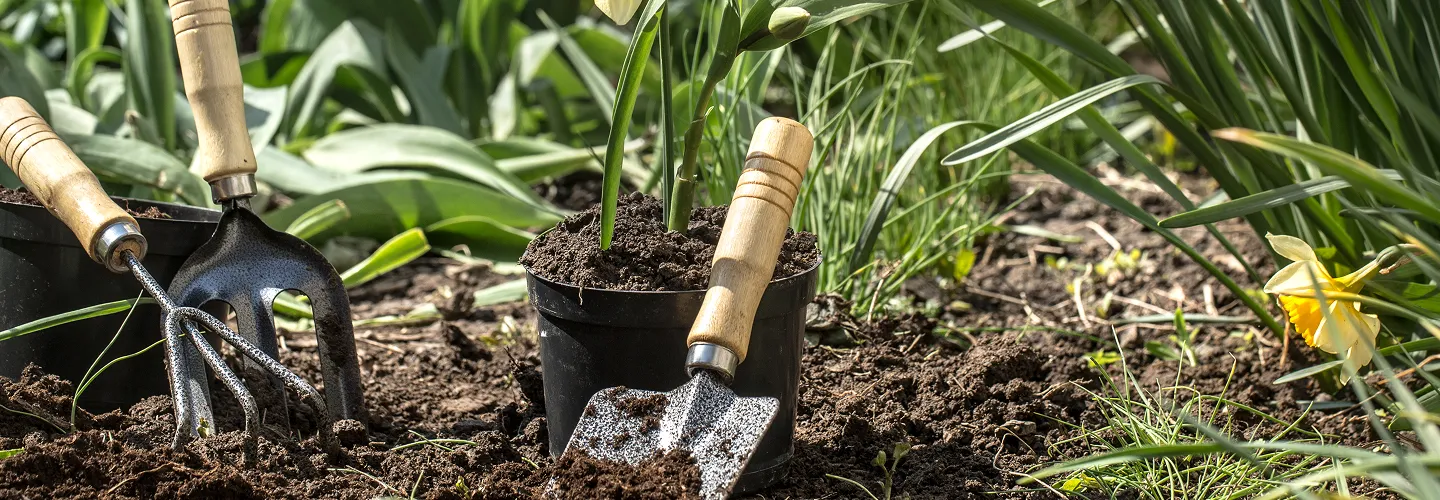
Dripping Springs Lawn Aeration Services
Choose our expert lawn aeration services to promote healthier roots, improve soil drainage, and ensure your grass thrives all season long—experience the difference of a lush, resilient lawn with our professional care.
Get a Free QuoteOur Dripping Springs Landscaping & Yard Care Services
When to Schedule Lawn Aeration in Dripping Springs, Texas – Seasonal Guide
In Dripping Springs, Texas, timing your lawn aeration is crucial for achieving a lush, healthy yard. The best periods for aeration are typically in early spring or early fall, when grass is actively growing and can recover quickly. Due to our region’s unique blend of rocky Hill Country soil and periods of both drought and humidity, aeration helps alleviate soil compaction and improves water absorption—especially important in neighborhoods like Belterra and Caliterra, where dense shade and mature trees can impact turf health.
Local environmental factors such as late spring frost dates, summer heatwaves, and the risk of drought all play a role in determining the optimal aeration window. For example, properties near Founders Memorial Park may experience more shade and moisture retention, while those closer to the open spaces along Ranch Road 12 might face faster soil drying. Always check for any municipal watering restrictions or seasonal guidelines, which can be found on resources like the official town website, before scheduling your service.
Local Factors to Consider for Lawn Aeration in Dripping Springs
- Tree density and shade coverage
- Soil type (rocky, clay, or sandy)
- Recent precipitation and drought risk
- Terrain slope and drainage patterns
- Neighborhood-specific microclimates
- Municipal watering restrictions or seasonal ordinances
Benefits of Lawn Aeration in Dripping Springs
Improved Soil Health
Enhanced Grass Growth
Better Water Absorption
Reduced Soil Compaction
Increased Nutrient Uptake
Stronger, Greener Lawns
Dripping Springs Lawn Aeration Types

Core Aeration
-
Spike Aeration
-
Liquid Aeration
-
Slicing Aeration
-
Manual Aeration
-
Plug Aeration
-
Rolling Aeration
Our Lawn Aeration Process
Site Evaluation
Preparation
Core Aeration
Cleanup
Post-Aeration Recommendations
Why Choose Dripping Springs Landscape Services
Dripping Springs Homeowners Trust Us
-
Expert Lawn Maintenance
-
Reliable Irrigation Solutions
-
Comprehensive Tree Care
-
Competitive Pricing
-
Professional Team
-
Satisfaction Guarantee
-
Personalized Service
Soil Series and Aeration Depths in Dripping Springs’s Blackland Prairie
Dripping Springs is characterized by Houston Black clay and Brackett soils, which are expansive, alkaline (pH 7.5-8.2), and prone to compaction. These conditions require core aeration to a depth of 2.5-3 inches, with multiple passes recommended for heavily compacted areas. Soil testing through USDA Web Soil Survey or Texas A&M AgriLife Extension is advised to determine amendment needs. For optimal results, incorporate 2-3 inches of compost tilled to a 6-inch depth after aeration. Lime application is rarely needed due to naturally high pH, but sulfur may be used if pH exceeds 8.0. Aeration frequency should be every 2-3 years for clay soils.
Dripping Springs TX Public Works Department
511 Mercer Street, Dripping Springs, TX 78620
Phone: (512) 858-7897
Official Website: Dripping Springs TX Public Works Department
Seasonal Aeration Timing and Weather Patterns in Dripping Springs
Dripping Springs falls within USDA Hardiness Zone 8b, with optimal aeration windows in late March to early May and again from mid-September to late October. Soil temperatures should be between 55°F and 75°F for best turf recovery. Avoid aeration during peak summer (June-August) due to heat stress and drought risk. Monitor local forecasts via the National Weather Service Austin/San Antonio Office to avoid scheduling during heavy rainfall, which can cause soil smearing. Recommended timing guidelines:
- Spring: March 15 – May 1 (soil temp 55-65°F)
- Fall: September 15 – October 31 (soil temp 60-75°F)
- Avoid: June-August (high heat, drought)
Municipal Ordinances and Equipment Operation Standards for Lawn Aeration
Lawn aeration in Dripping Springs must comply with city noise ordinances and equipment operation standards. Permitted hours for powered aeration equipment are:
- Monday-Friday: 7:00 AM – 7:00 PM
- Saturday: 8:00 AM – 6:00 PM
- Sunday and holidays: Prohibited All commercial operators must use equipment with functioning mufflers and maintain noise levels below 85 decibels at property lines. Personal protective equipment (PPE) is required, including ANSI Z87.1 safety glasses, hearing protection for 85+ dB, and steel-toed boots. Aeration debris must not be left on sidewalks or streets; collection is required within 24 hours. For questions on compliance, contact:
Dripping Springs TX Environmental Health Department
511 Mercer Street, Dripping Springs, TX 78620
Phone: (512) 858-4725
Official Website: Dripping Springs TX Environmental Health Department
Stormwater Protection and Environmental Compliance in Dripping Springs
Aeration activities must adhere to local and state stormwater regulations to protect Onion Creek and nearby wetlands. The Texas Water Code and Clean Water Act prohibit discharge of soil plugs or lawn debris into storm drains. Maintain a 25-foot no-disturbance buffer from wetlands and a 50-foot setback from water bodies. The city’s MS4 permit, administered by the Texas Commission on Environmental Quality, requires that no fertilizer or soil amendments be applied within 50 feet of streams. Best practices include:
- Collecting all aeration debris
- Avoiding chemical applications near water
- Scheduling work during dry weather
Dripping Springs TX Planning & Development Department
511 Mercer Street, Dripping Springs, TX 78620
Phone: (512) 858-4725
Official Website: Dripping Springs TX Planning & Development Department
What Neighborhoods Do We Serve Throughout Dripping Springs, TX?
- Historic Downtown: Features mature trees and older homes with compacted clay soils, requiring deep aeration and careful debris management due to narrow streets and historic infrastructure.
- Caliterra: Newer development with engineered soils and HOA landscaping standards; properties often have improved drainage but may require compliance with strict noise and equipment regulations.
- Belterra: Large lots and heavy tree coverage increase organic debris and compaction; proximity to greenbelts and creeks necessitates strict adherence to buffer zones and stormwater protection.
- Founders Ridge: Sloped lots and rocky subsoils present unique aeration challenges, with runoff concerns near Onion Creek and city parks.
- Driftwood: Rural character with expansive lots, variable soil types, and limited municipal infrastructure; access for equipment may be restricted by private roads.
- Headwaters: Modern subdivision with community green spaces, requiring coordination with HOA and city for timing and debris collection.
- Sunset Canyon: Established neighborhood with a mix of clay and limestone soils, frequent compaction, and larger setbacks from roadways, impacting aeration logistics.