
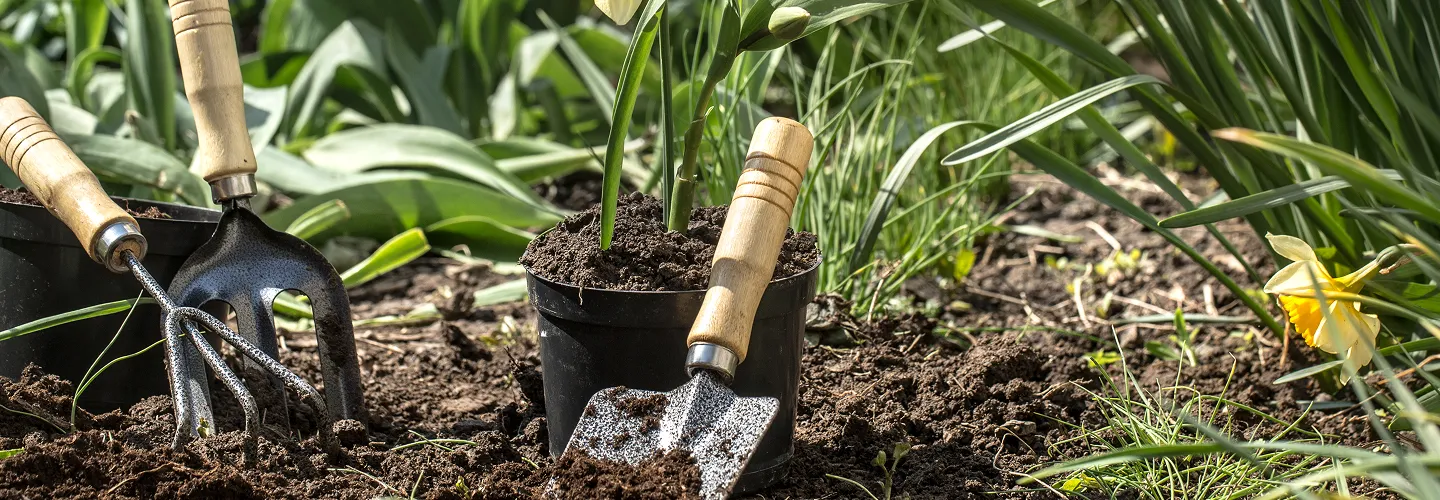
Dripping Springs Green Waste Disposal Services
Choose our Green Waste Disposal for reliable, environmentally responsible service that keeps your property clean and supports a healthier community. We make it easy to dispose of yard debris and organic waste the right way.
Get a Free QuoteOur Dripping Springs Landscaping & Yard Care Services
When to Schedule Green Waste Disposal in Dripping Springs, Texas – Seasonal Guide
In Dripping Springs, Texas, the timing of green waste disposal is closely tied to our unique Hill Country climate and landscape. With mild winters and hot, humid summers, the optimal periods for scheduling green waste removal are typically late winter through early spring and again in late summer to early fall. These windows align with the end of frost periods and the start of new growth, as well as post-summer cleanups when drought stress and storms may have increased debris. Neighborhoods near Founders Memorial Park or along Creek Road often experience heavy leaf and branch accumulation after spring storms, making timely disposal essential for maintaining curb appeal and preventing pest issues.
Local environmental factors such as rocky soils, variable shade from mature oaks, and the risk of drought—especially in areas like Caliterra or Rim Rock—mean that green waste can build up quickly if not managed seasonally. Additionally, municipal guidelines and local resources provide important information on disposal restrictions and collection schedules. By considering these factors, homeowners can ensure their properties remain tidy and environmentally responsible throughout the year.
Local Factors to Consider for Green Waste Disposal in Dripping Springs
- Tree density and types (live oaks, cedar, pecan)
- Proximity to creeks or flood-prone areas
- Seasonal precipitation and drought risk
- Soil composition (rocky vs. loamy)
- Shade coverage and undergrowth accumulation
- Municipal collection schedules and restrictions
- Recent storm or wind events
Benefits of Green Waste Disposal in Dripping Springs
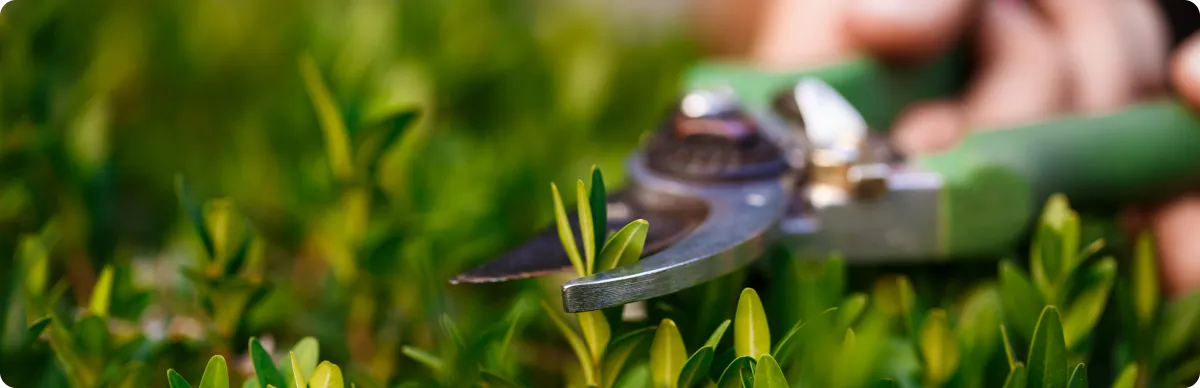
Eco-Friendly Landscaping Solutions
Efficient Yard Waste Removal
Promotes Healthy Plant Growth
Reduces Landfill Waste
Supports Local Composting Efforts
Enhances Property Curb Appeal
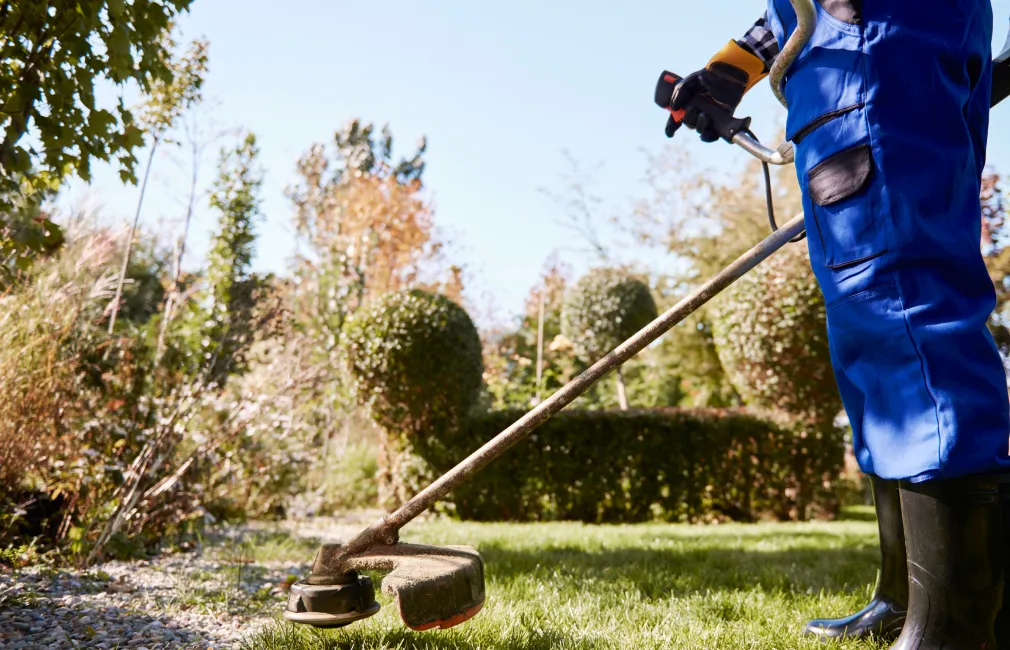
Dripping Springs Green Waste Disposal Types

Yard Trimmings Collection
-
Brush and Branch Removal
-
Grass Clippings Disposal
-
Leaf Pickup Services
-
Mulching and Composting
-
Tree Stump Hauling
-
Garden Debris Recycling
Our Green Waste Disposal Process
Collection of Green Waste
Sorting and Separation
Transport to Disposal Facility
Eco-Friendly Processing
Why Choose Dripping Springs Landscape Services
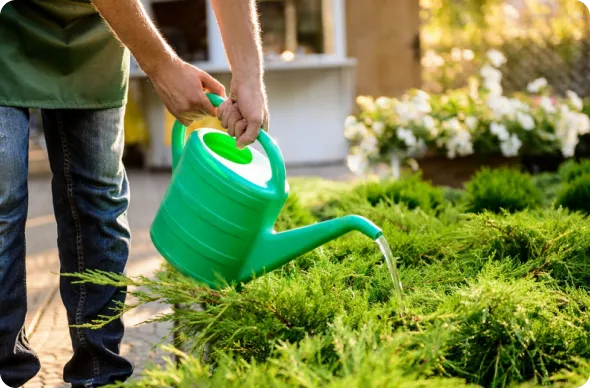
Dripping Springs Homeowners Trust Us
-
Expert Lawn Maintenance
-
Reliable Irrigation Solutions
-
Comprehensive Tree Care
-
Competitive Pricing
-
Professional Team
-
Satisfaction Guarantee
-
Personalized Service
Dripping Springs Public Works Green Waste Collection Procedures and Ordinances
Green waste disposal in Dripping Springs is governed by municipal ordinances and coordinated through the Department of Public Works. Weekly curbside collection is typically scheduled for Thursdays, April through November, with residents required to use biodegradable bags or reusable bins (32-gallon maximum). Prohibited items include plastic bags, branches over 4 inches in diameter, and construction debris. Equipment operation for green waste processing is permitted during the following hours:
- Monday-Friday: 7:00 AM - 7:00 PM
- Saturday: 8:00 AM - 6:00 PM
- Sunday and holidays: Prohibited
Permit requirements apply for large-scale debris removal or disposal near protected areas, with application fees ranging from $25 to $75 and a review period of 5-10 business days. For detailed collection schedules, container guidelines, and ordinance compliance, residents should consult the city’s official resources.
Dripping Springs TX Public Works Department
511 Mercer Street, Dripping Springs, TX 78620
Phone: (512) 858-7897
Official Website: Dripping Springs TX Public Works Department
Soil Series and Drainage Considerations for Green Waste in Dripping Springs
Dripping Springs is characterized by Houston Black clay and Brackett gravelly clay loam soils, as identified by the USDA Web Soil Survey. These soils are moderately alkaline (pH 7.5-8.2) and exhibit slow permeability, leading to seasonal drainage challenges. Proper green waste disposal requires attention to site-specific drainage, especially in areas with shallow bedrock or compacted urban fill. To promote decomposition and prevent runoff, it is recommended to:
- Incorporate compost at 2-3 inches depth, tilled to 6 inches
- Avoid placing green waste within 25 feet of wetlands or ephemeral streams
- Schedule disposal after heavy rainfall to minimize soil compaction Soil testing is available through Texas A&M AgriLife Extension for $15-25 per sample, providing guidance on amendments and pH adjustment. These practices support compliance with city and state environmental standards.
Environmental Compliance: Stormwater, Buffer Zones, and State Regulations in Dripping Springs
Green waste management in Dripping Springs must comply with the Texas Water Code and the city’s MS4 stormwater permit, which prohibits yard debris from entering storm drains or watercourses. Properties adjacent to Onion Creek, Little Barton Creek, and city wetlands must maintain a 25-foot no-disturbance buffer for all disposal activities. The Clean Water Act and Texas Commission on Environmental Quality require:
- No green waste or clippings in storm drains
- Buffer maintenance: 25 feet from wetlands, 50 feet from water bodies
- Use of erosion control measures on slopes exceeding 10% Violations may result in fines or remediation orders. For regulatory guidance, consult the city’s Environmental Health Department.
Dripping Springs TX Environmental Health Department
511 Mercer Street, Dripping Springs, TX 78620
Phone: (512) 858-4725
Official Website: Dripping Springs TX Environmental Health Department
Seasonal Timing and Weather Considerations for Green Waste Disposal in Dripping Springs
Dripping Springs falls within USDA Hardiness Zone 8b, with average annual minimum temperatures of 15-20°F. The optimal window for green waste disposal is from mid-April to late November, avoiding peak summer heat and winter dormancy. The National Weather Service Austin/San Antonio Office provides local forecasts to guide scheduling, especially after storms or during drought. Key timing recommendations include:
- Spring disposal: April 15 - May 30 (soil temp 60-70°F)
- Fall disposal: September 15 - November 30 (before first frost)
- Avoid June-August for heavy disposal due to heat stress and fire risk Monitoring weather conditions reduces soil compaction and supports safe, compliant operations.
What Neighborhoods Do We Serve Throughout Dripping Springs, TX?
- Historic Mercer District: Features mature oak canopies and compacted urban soils, requiring careful debris handling and compliance with city landscape ordinances.
- Founders Ridge: Newer development with expansive clay soils and moderate slopes, necessitating erosion control and adherence to HOA green waste guidelines.
- Caliterra: Proximity to Onion Creek and conservation areas imposes strict buffer requirements and seasonal disposal restrictions to protect sensitive habitats.
- Driftwood Valley: Large lots with mixed woodland and open grassland, presenting challenges for access and volume management during peak leaf drop.
- Sunset Canyon: Rocky outcrops and shallow soils demand specialized equipment for debris removal and heightened attention to stormwater compliance.
- Belterra: Dense residential layout with HOA oversight, requiring standardized container use and adherence to scheduled collection days.
- West Cave Estates: Rural character with limited municipal access, emphasizing self-haul options and coordination with county disposal sites.