
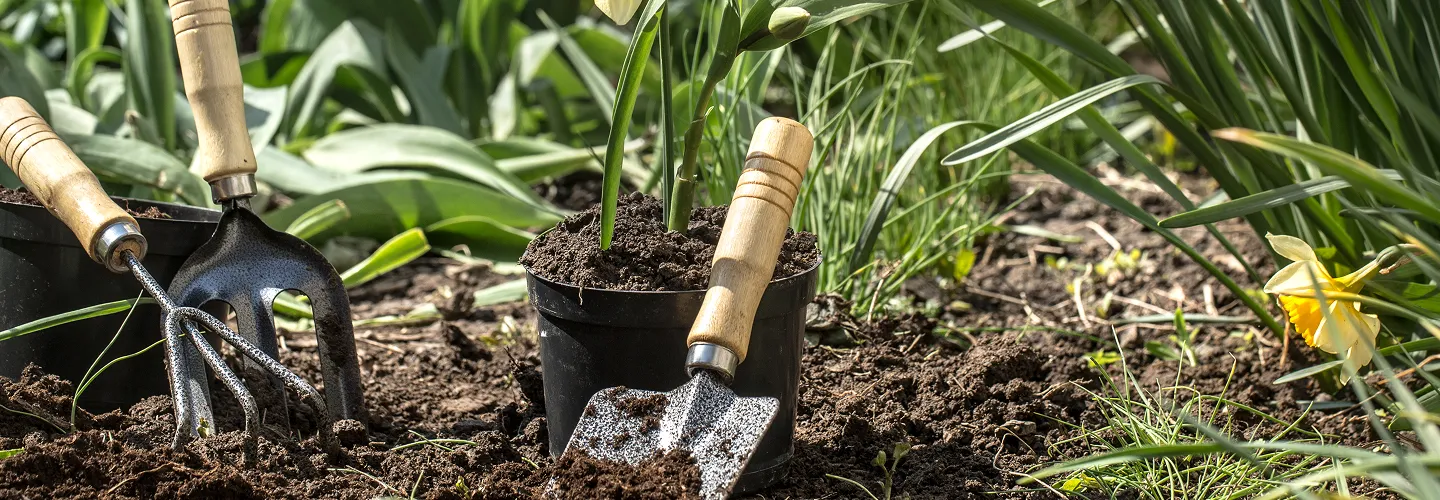
Dripping Springs Weeding Services
Choose our expert weeding services for a healthier, more vibrant landscape—our experienced team ensures your garden stays pristine, saving you time and effort while promoting stronger plant growth.
Get a Free QuoteOur Dripping Springs Landscaping & Yard Care Services
When to Schedule Weeding in Dripping Springs, Texas – Seasonal Guide
In Dripping Springs, Texas, the timing of weeding is crucial for maintaining healthy, attractive landscapes. The region’s unique blend of Hill Country climate, with its hot summers, mild winters, and variable rainfall, means that weed growth patterns differ from other parts of Texas. Typically, the best times for weeding are early spring—just after the last frost—and again in late fall, before winter dormancy sets in. Neighborhoods near Founders Memorial Park and along Creek Road often experience early weed emergence due to microclimates created by shade and moisture retention.
Local environmental factors play a significant role in determining the optimal weeding schedule. For example, areas with heavy clay soils, such as those near Dripping Springs Ranch Park, may retain moisture longer, encouraging weed growth after rain. Conversely, properties on rocky terrain or with high sun exposure, like those near the Sudbury area, may see different weed cycles due to drought risk and rapid soil drying. Understanding these local nuances ensures your landscape remains tidy and healthy year-round.
Local Factors to Consider for Weeding in Dripping Springs
- Tree density and shade coverage, which affect soil moisture and weed growth
- Terrain type (rocky, clay, or loamy soils)
- Seasonal precipitation patterns and drought risk
- Proximity to creeks or flood-prone areas
- Municipal restrictions or neighborhood association guidelines
- Timing of last frost and first significant heat waves
Benefits of Weeding in Dripping Springs
Enhanced Curb Appeal
Healthier Plant Growth
Reduced Pest Infestation
Improved Soil Quality
Increased Property Value
Professional and Reliable Service
Dripping Springs Weeding Types

Hand Weeding
-
Mulch Application
-
Pre-Emergent Weed Control
-
Post-Emergent Weed Spraying
-
Landscape Fabric Installation
-
Gravel and Rock Weed Prevention
-
Organic Weed Removal
Our Weeding Process
Site Evaluation
Weed Identification
Targeted Removal
Soil Treatment
Final Inspection
Why Choose Dripping Springs Landscape Services
Dripping Springs Homeowners Trust Us
-
Expert Lawn Maintenance
-
Reliable Irrigation Solutions
-
Comprehensive Tree Care
-
Competitive Pricing
-
Professional Team
-
Satisfaction Guarantee
-
Personalized Service
Dripping Springs Soil Series and Weeding Challenges in Blackland Prairie Clay
Dripping Springs is characterized by Houston Black and Branyon clay soils, as identified by the USDA Web Soil Survey. These Vertisols are expansive, with high clay content, pH typically ranging from 7.5 to 8.2, and poor drainage, especially after heavy rainfall. Weeding in these soils requires specialized techniques, such as deep hand removal to extract entire root systems and prevent regrowth. Soil compaction is common in developed areas, necessitating periodic aeration to a depth of 2-3 inches before major weeding efforts. For optimal results, incorporate 2-3 inches of compost tilled to a 6-inch depth to improve structure and reduce weed pressure. Soil testing is recommended every 2-3 years through Texas A&M AgriLife Extension (typical cost: $15-25) to monitor nutrient levels and pH.
Dripping Springs TX Public Works Department
511 Mercer Street, Dripping Springs, TX 78620
Phone: (512) 858-7897
Official Website: Dripping Springs TX Public Works Department
Seasonal Weeding Timing and Weather Considerations for Dripping Springs
The optimal window for weeding in Dripping Springs aligns with the region’s USDA Hardiness Zone 8b, where soil temperatures reach 50-65°F from March 15 to May 15 and again from September 1 to October 31. Avoid weeding during peak summer (June-August), when high temperatures and drought stress can hinder regrowth of desirable plants and increase soil disturbance risks. Monitor local forecasts through the National Weather Service Austin/San Antonio Office to avoid scheduling during heavy rain events, which can exacerbate erosion and runoff. Key timing guidelines include:
- Spring weeding: March 15 - May 15 (soil temp 50-65°F)
- Fall weeding: September 1 - October 31 (before first frost)
- Avoid: June-August (heat/drought stress)
- Monitor: 24-hour rainfall totals >1 inch (delay work)
Municipal Ordinances and Weeding Equipment Operation in Dripping Springs
Weeding activities in Dripping Springs are subject to municipal noise and equipment ordinances. According to city code, powered equipment may be operated:
- Monday-Friday: 7:00 AM - 7:00 PM
- Saturday: 8:00 AM - 6:00 PM
- Sunday and holidays: Prohibited All operators must use commercial-grade equipment with functioning mufflers, and noise levels must not exceed 85 decibels at property lines. When working near public rights-of-way, safety cones and high-visibility vests are required within 50 feet of roadways. For projects involving large-scale weed removal or chemical applications, a permit may be required from the city’s Building Department, with typical review times of 5-10 business days and fees ranging from $25-75.
Dripping Springs TX Building Department
511 Mercer Street, Dripping Springs, TX 78620
Phone: (512) 858-4725
Official Website: Dripping Springs TX Building Department
Environmental Compliance: Stormwater, Buffer Zones, and State Regulations
Weeding near creeks, wetlands, or protected areas in Dripping Springs must comply with local and state environmental regulations. The city enforces a 25-foot no-disturbance buffer from all mapped wetlands and a 50-foot setback from water bodies such as Onion Creek. The Texas Water Code and Clean Water Act prohibit the disposal of plant debris or soil in storm drains, and the city’s MS4 permit requires all green waste to be collected and disposed of properly. Use only biodegradable bags or 32-gallon reusable bins for debris; plastic bags are prohibited. For chemical weed control, applicators must follow Texas Commission on Environmental Quality licensing requirements and avoid applications within 50 feet of water bodies.
Dripping Springs TX Environmental Health Department
511 Mercer Street, Dripping Springs, TX 78620
Phone: (512) 858-4725
Official Website: Dripping Springs TX Environmental Health Department
Texas Commission on Environmental Quality
12100 Park 35 Circle, Austin, TX 78753
Phone: (512) 239-1000
Official Website: Texas Commission on Environmental Quality
Best Practices for Safe and Effective Weeding in Dripping Springs
Professional weeding in Dripping Springs requires adherence to safety protocols and equipment standards. All personnel must wear:
- Eye protection: ANSI Z87.1 safety glasses
- Hearing protection: Earmuffs or plugs for 85+ dB noise
- Footwear: Steel-toed boots, non-slip soles
- Gloves: Cut-resistant for hand weeding, chemical-resistant for herbicide application Maintain a 15-foot clearance from overhead power lines and avoid equipment operation within 25 feet of wetlands. Equipment should be serviced every 20-25 hours of use, with blades sharpened and filters cleaned to minimize emissions. For integrated weed management, combine manual removal with mulching (2-3 inches of hardwood mulch) and targeted herbicide use, following all label instructions and city regulations. Consult Texas A&M AgriLife Extension for guidance on safe herbicide selection and application rates.
What Neighborhoods Do We Serve Throughout Dripping Springs, TX?
- Historic Mercer District: Features mature trees and dense clay soils, requiring deep-root weeding and careful debris management due to proximity to Onion Creek and historic structures.
- Founders Ridge: Newer development with compacted fill soils and moderate slopes, presenting challenges for drainage and weed regrowth; HOA guidelines may specify approved plant species and maintenance standards.
- Caliterra: Located near conservation areas and riparian buffers, this neighborhood requires strict adherence to 25-foot wetland buffers and careful disposal of green waste to protect sensitive habitats.
- Driftwood: Characterized by larger lots, limestone outcrops, and variable soil pH, necessitating customized weeding approaches and periodic soil amendments for optimal plant health.
- Sunset Canyon: Features sloped terrain and mixed clay-loam soils, with increased risk of erosion during weeding; mulching and erosion control measures are essential.
- Westwood: Dense residential area with narrow streets and limited equipment access, requiring manual weeding methods and compliance with city noise ordinances.
- Headwaters: Modern subdivision with HOA landscaping requirements, regular soil testing, and emphasis on native plantings to reduce weed pressure and promote sustainability.