
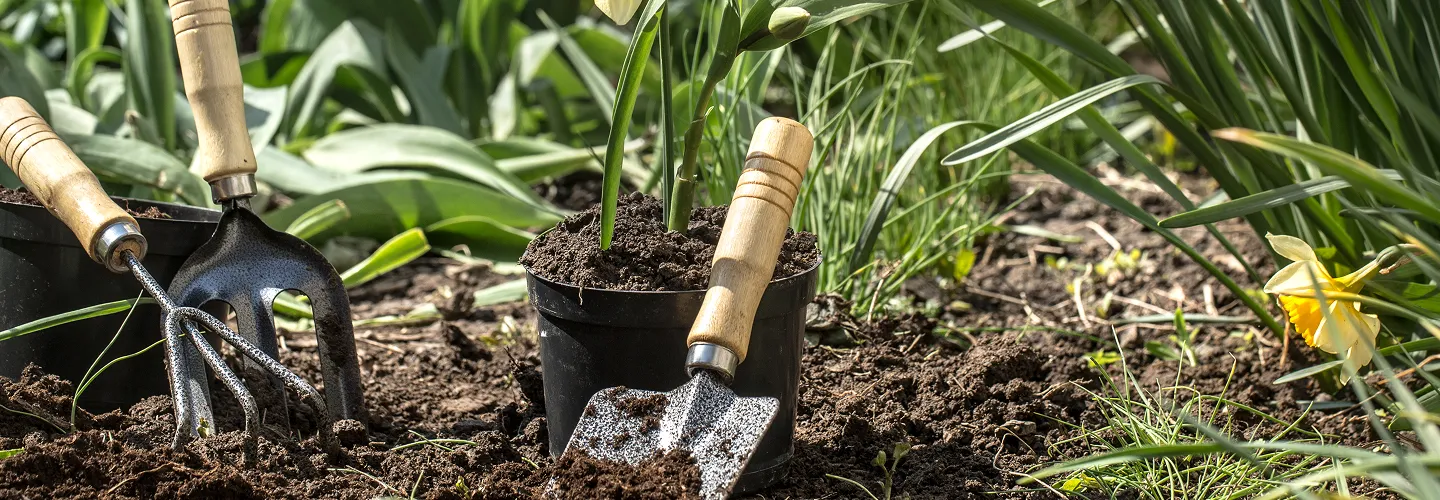
Dripping Springs Lawn Renovation Services
Choose our Lawn Renovation services for a lush, healthy yard—our experienced team uses proven techniques and premium materials to restore your lawn’s beauty, boost curb appeal, and ensure long-lasting results you’ll love.
Get a Free QuoteOur Dripping Springs Landscaping & Yard Care Services
When to Schedule Lawn Renovation in Dripping Springs, Texas – Seasonal Guide
Timing your lawn renovation in Dripping Springs is crucial for achieving a lush, resilient yard that thrives in our unique Hill Country environment. The best periods for renovation are typically late spring and early fall, when soil temperatures are warm enough to encourage strong root growth but before the peak of summer heat or winter frost. Neighborhoods near Founders Memorial Park and along Onion Creek often experience microclimates, so it's important to consider your specific location when planning.
Local environmental factors such as unpredictable rainfall, periods of drought, and the region’s rocky, alkaline soils all play a role in determining the optimal renovation window. Shade from mature oaks in areas like Caliterra or Belterra can affect grass recovery, while municipal watering restrictions may impact your renovation schedule. For more information on local guidelines, visit the official city resource.
Local Factors to Consider for Lawn Renovation in Dripping Springs
- Tree density and shade coverage from native oaks and cedars
- Soil composition, including rocky or clay-heavy areas
- Seasonal precipitation patterns and drought risk
- Terrain slope and drainage characteristics
- Municipal watering schedules and restrictions
- Proximity to creeks or flood-prone zones
By considering these local factors, you can ensure your lawn renovation is both timely and effective, tailored to the specific needs of Dripping Springs landscapes.
Benefits of Lawn Renovation in Dripping Springs
Enhanced Curb Appeal
Improved Soil Health
Weed and Pest Reduction
Increased Property Value
Efficient Water Usage
Customized Lawn Solutions
Dripping Springs Lawn Renovation Types

Sod Installation
-
Hydroseeding
-
Soil Aeration
-
Overseeding
-
Topdressing
-
Weed Removal and Control
-
Native Grass Conversion
Our Lawn Renovation Process
Site Evaluation
Soil Preparation
Seeding or Sodding
Watering and Fertilization
Ongoing Maintenance
Why Choose Dripping Springs Landscape Services
Dripping Springs Homeowners Trust Us
-
Expert Lawn Maintenance
-
Reliable Irrigation Solutions
-
Comprehensive Tree Care
-
Competitive Pricing
-
Professional Team
-
Satisfaction Guarantee
-
Personalized Service
Soil Series and Drainage Considerations for Lawn Renovation in Dripping Springs
Dripping Springs is characterized by soils such as Houston Black clay and Brackett gravelly clay loam, which are prevalent throughout the region according to the USDA Web Soil Survey. These soils are typically alkaline (pH 7.5-8.2) and exhibit moderate to poor drainage, especially in low-lying areas. For effective lawn renovation, core aeration should reach a depth of 2-3 inches to alleviate compaction and improve water infiltration. Incorporating 2-3 inches of compost tilled to a 6-inch depth is recommended to enhance organic matter and soil structure. Soil testing, available through Texas A&M AgriLife Extension, is advised to determine amendment needs. Avoid heavy renovation work during periods of saturated soil to prevent rutting and further compaction.
Dripping Springs TX Public Works Department
511 Mercer Street, Dripping Springs, TX 78620
Phone: (512) 858-7897
Official Website: Dripping Springs TX Public Works Department
Seasonal Timing and Weather Guidance for Lawn Renovation in Dripping Springs
Lawn renovation in Dripping Springs should be carefully timed to local climate conditions. The city falls within USDA Hardiness Zone 8b, with optimal renovation windows in early spring (March 1–April 15) and early fall (September 1–October 15), when soil temperatures range from 60°F to 75°F. Avoid major renovation activities during the peak summer heat (June–August), as high temperatures and drought stress can impede turf establishment. Monitor local forecasts through the National Weather Service Austin/San Antonio Office to avoid scheduling work during heavy rainfall events, which can lead to soil compaction and erosion. Key timing recommendations include:
- Spring seeding: March 1–April 15 (soil temp 60–70°F)
- Fall seeding: September 1–October 15 (soil temp 65–75°F)
- Fertilization: Early May and September for cool-season grasses
- Avoid: June–August due to heat stress
Dripping Springs Municipal Ordinances and Equipment Operation Standards
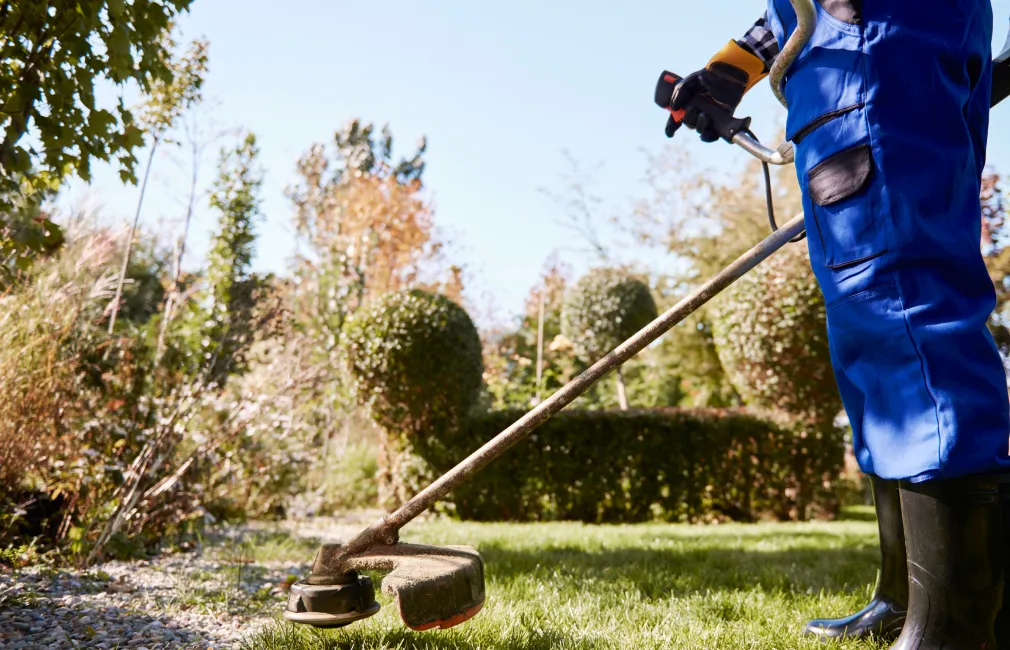
Lawn renovation activities in Dripping Springs are subject to municipal ordinances governing equipment operation and noise. According to city code, powered equipment may be operated:
- Monday–Friday: 7:00 AM – 7:00 PM
- Saturday: 8:00 AM – 6:00 PM
- Sunday and holidays: Prohibited All commercial operators must ensure equipment mufflers are functional and noise does not exceed 85 decibels at property lines. When working near public rights-of-way, safety cones and high-visibility vests are required. Debris generated during renovation must be collected in biodegradable bags or 32-gallon reusable bins for Thursday curbside pickup (April–November). Plastic bags and branches over 4 inches in diameter are prohibited. For questions on compliance, contact:
Dripping Springs TX Environmental Health Department
511 Mercer Street, Dripping Springs, TX 78620
Phone: (512) 858-4725
Official Website: Dripping Springs TX Environmental Health Department
Environmental Compliance: Stormwater, Buffer Zones, and State Regulations
Lawn renovation in Dripping Springs must comply with local and state environmental regulations to protect water quality and sensitive habitats. The city operates under an MS4 permit, prohibiting the discharge of grass clippings, soil, or chemicals into storm drains per the Clean Water Act. Maintain a 25-foot no-disturbance buffer from wetlands and a 50-foot setback from water bodies such as Onion Creek. Fertilizer and pesticide applications are restricted within these zones. The Texas Commission on Environmental Quality (TCEQ) enforces the Texas Water Code for stormwater management. For technical guidance, consult EPA Region 6 and the Texas A&M AgriLife Extension for best practices in environmentally responsible turf renovation.
What Neighborhoods Do We Serve Throughout Dripping Springs, TX?
- Historic Mercer District: Features mature trees and older homes with compacted Houston Black clay soils, requiring deep aeration and careful debris management due to narrow streets and historic preservation guidelines.
- Founders Ridge: Newer development with moderate slopes and Brackett gravelly clay loam, presenting challenges for erosion control and requiring strict adherence to city buffer zone regulations near drainageways.
- Caliterra: Large lots adjacent to Onion Creek, with floodplain considerations and periodic wet soil conditions; renovation work must observe 50-foot setbacks from water bodies and comply with MS4 stormwater rules.
- Driftwood: Rural character with mixed soil types and limited municipal infrastructure; properties often have well water and septic systems, necessitating careful chemical application and coordination with environmental health standards.
- Sunset Canyon: Predominantly limestone-derived soils with high pH and rocky subsoils, requiring specialized soil amendments and equipment for effective renovation.
- Belterra: HOA-managed community with uniform lot sizes, strict landscaping standards, and regular city inspections; compliance with city noise ordinances and debris collection schedules is essential.
- West Cave Estates: Proximity to conservation areas and karst features, requiring heightened attention to buffer zones, runoff control, and native species selection for sustainable lawn renovation.